

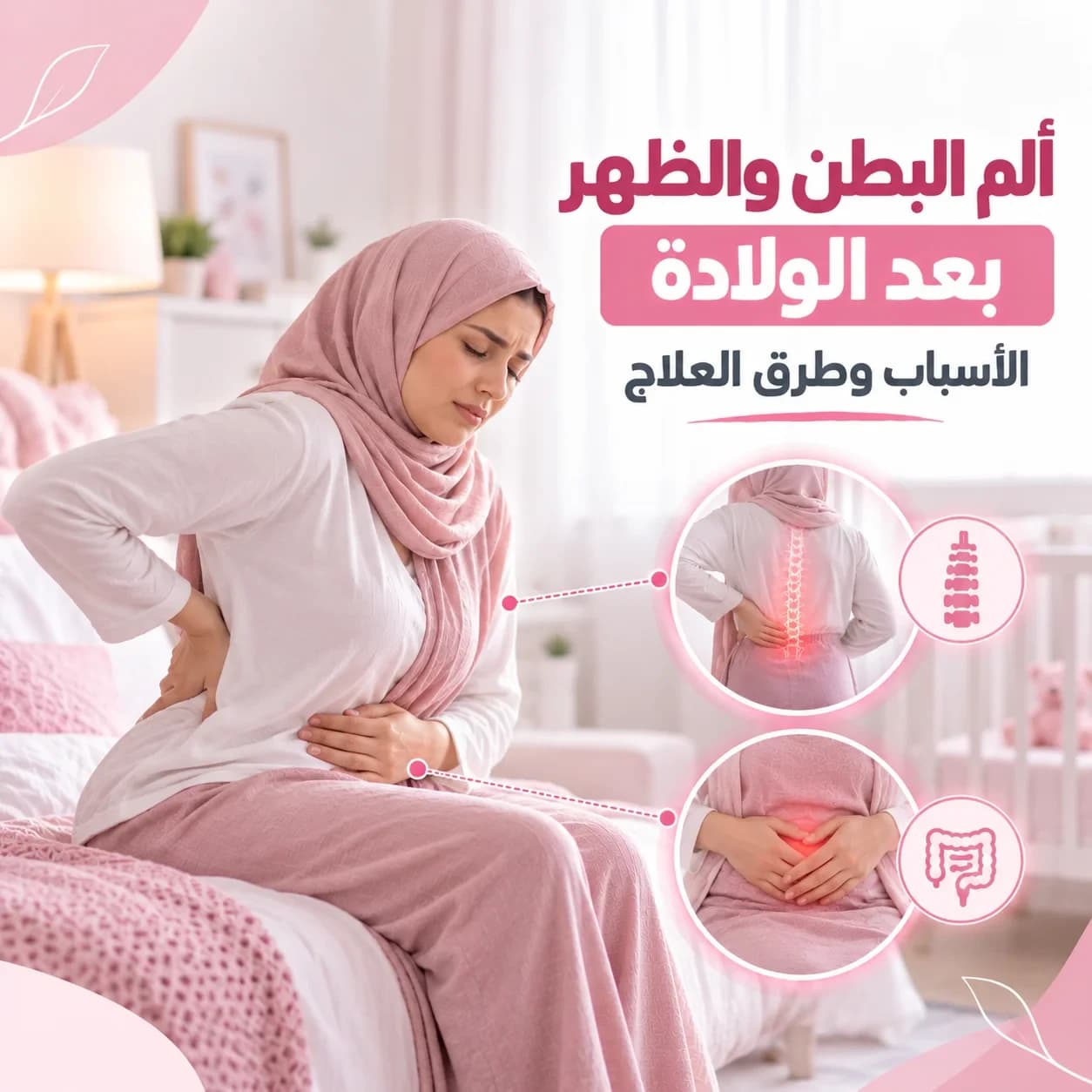
Women experience many physical changes after childbirth and may experience abdominal or back pain due to uterine contractions, muscle strain, and changes that occur during pregnancy and delivery. The nature and severity of the pain vary depending on the type of delivery and each woman's health condition. While some pain is a normal part of recovery, persistent or worsening pain, or pain accompanied by other symptoms, may indicate a problem that requires medical evaluation. Therefore, it is important to understand the causes of abdominal and back pain after childbirth, the expected recovery period, and the warning signs that require medical attention to help ensure the mother's safety during the postpartum period.
Medical Disclaimer: This article has been medically reviewed by Dr. Marwa Wanas, Consultant in Obstetrics and Gynecology and Intracytoplasmic Sperm Injection (ICSI), to provide educational information that helps mothers understand postpartum symptoms and recognize situations that require medical care.
Causes of Abdominal and Back Pain After Childbirth
There are several possible causes of pain after childbirth, and the cause cannot be determined based on the location of the pain alone. It may be related to uterine contractions as the uterus gradually returns to its normal size, or to muscle and joint strain caused by pregnancy and labor. It may also result from the healing of surgical wounds after a cesarean section or perineal injuries following vaginal delivery.
Common causes include:
Uterine contractions that help reduce bleeding and return the uterus to its normal size.
Strain on the back and abdominal muscles due to changes in posture, carrying the baby, and breastfeeding.
Pain around a cesarean incision or the stitches following vaginal delivery.
Constipation and gas, which may cause abdominal discomfort.
However, not all pain should be assumed to be normal. Fever, foul-smelling discharge, or worsening pain may indicate an infection or other complications that require prompt medical evaluation.
Is Abdominal and Back Pain After Childbirth Normal?
Yes, mild to moderate pain may be normal during the first few days after childbirth, particularly when it gradually improves and is not accompanied by unusual bleeding, fever, or concerning symptoms. After childbirth, the uterus contracts in a process known as afterpains. These contractions may feel similar to menstrual cramps and can become more noticeable in some women during breastfeeding.
Back pain may be associated with muscle strain, weakened abdominal muscles, and hormonal changes that occur during and after pregnancy. Repeatedly bending forward while breastfeeding or carrying the baby in an uncomfortable position may also increase pressure on the back.
It is important to monitor the severity and location of the pain and whether it improves with rest. If the pain is severe, worsens instead of improving, or prevents you from moving around and caring for your baby, do not simply wait for it to pass. Contact your doctor to determine the cause.
Lower Abdominal Pain After Vaginal Delivery
After vaginal delivery, a mother may experience lower abdominal cramps due to uterine contractions. She may also experience pain in the perineal area, particularly if tearing occurred or stitches were needed. Discomfort is expected to decrease gradually during recovery, although the rate of improvement varies from one woman to another.
Getting enough rest, avoiding excessive physical exertion, drinking fluids, and maintaining a balanced diet can help support recovery. You should also follow your doctor's instructions regarding perineal care and the use of appropriate pain relief medication.
If lower abdominal pain is accompanied by a fever, chills, foul-smelling vaginal discharge, or heavy bleeding, an infection or other complication may be present and require urgent medical attention. Antibiotics or other treatments should not be taken without an appropriate medical assessment.
Abdominal and Back Pain After a Cesarean Section
A cesarean section involves a surgical incision in the abdomen, so pain around the incision may continue during the recovery period. A mother may also experience back pain due to changes in posture and muscle tension, as well as attempts to avoid putting pressure on the incision when sitting, standing up, or carrying the baby.
To manage the pain, follow your surgeon's instructions, take prescribed pain relief medication, and gradually increase movement according to your ability and medical guidance. Avoid lifting heavy objects or engaging in physical activities that exceed your body's capacity during recovery.
It is essential to monitor the incision. Increasing redness or swelling, discharge, wound separation, fever, or worsening pain instead of gradual improvement requires prompt medical attention. Severe, sudden pain or pain accompanied by serious general symptoms requires emergency evaluation.
How Long Does Abdominal and Back Pain Last After Childbirth?
The duration of pain varies depending on its cause, the type of delivery, and the mother's health condition. Uterine cramps may last for several days, while back pain or pain around a surgical incision may take several weeks to improve noticeably. There is no single recovery timeline that applies to every woman.
Gradual recovery, adequate rest, and avoiding excessive strain can help reduce discomfort. However, the pain should generally improve over time. If it persists without improvement, returns after disappearing, or becomes more severe, it is best to seek medical evaluation rather than assume it is a normal part of the postpartum period.
If back pain continues and affects your sleep, mobility, or ability to care for your baby, your doctor may need to assess your muscles and joints. Appropriate physical therapy may be recommended after ruling out conditions that require a different treatment approach.
Abdominal Pain During Breastfeeding After Childbirth
Some mothers notice increased lower abdominal cramps during breastfeeding, particularly in the first few days after delivery. This occurs because the hormone oxytocin is released, helping the uterus contract. These contractions are a normal process that supports the uterus as it gradually returns to its previous size.
If the cramps are mild to moderate and improve over time, they may be part of normal recovery. Simple comfort measures, such as applying a warm compress to the abdomen when appropriate, may help after confirming that there are no medical contraindications.
However, severe or persistent pain, or pain accompanied by fever, heavy bleeding, or foul-smelling discharge, should not be dismissed as merely a result of breastfeeding. Contact your doctor to have your symptoms assessed, and consult them before taking any pain relief medication, especially while breastfeeding.
When Is Abdominal and Back Pain After Childbirth Dangerous?
Certain symptoms should never be ignored after childbirth because they may indicate an infection, bleeding, dangerously high blood pressure, or a blood clot. Some of these conditions require immediate emergency care, even if the mother was discharged from the hospital days or weeks earlier.
Seek urgent medical attention if you experience any of the following:
Severe or sudden abdominal pain, or pain that continues to worsen.
Heavy vaginal bleeding or a sudden increase in bleeding, particularly when accompanied by dizziness or fainting.
A temperature of 38°C or higher, especially with chills or foul-smelling discharge.
A severe headache, vision changes, or pain in the upper abdomen.
Shortness of breath, chest pain, or swelling and pain in one leg.
These symptoms may indicate serious complications. Do not delay seeking medical help in an attempt to treat them at home.
Book a Consultation with Dr. Marwa Wanas to Check Your Postpartum Health
If you are experiencing abdominal and back pain after childbirth and are unsure whether it is normal, a medical evaluation can help identify the cause and determine the appropriate approach. Dr. Marwa Wanas provides obstetrics and gynecology services, pregnancy follow-up, and postpartum care in Alexandria, with an emphasis on evaluating symptoms in light of your medical history and delivery method.
You can contact the clinic to inquire about available appointments and book a consultation, particularly if the pain persists or affects your mobility or ability to care for your baby. If you experience any of the warning signs mentioned above, do not wait for a clinic appointment. Seek emergency medical care immediately.
Frequently Asked Questions About Abdominal and Back Pain After Childbirth
Is Abdominal Pain After Childbirth Normal?
It may be normal due to uterine contractions as the uterus returns to its previous size, particularly during the first few days. However, severe or worsening pain, or pain accompanied by fever or heavy bleeding, requires urgent medical evaluation.
When Does Back Pain After Childbirth Go Away?
Back pain may improve within days or weeks, depending on its cause and your health condition. If it persists, worsens, or affects your mobility or sleep, consult your doctor to assess your muscles and joints and rule out other causes.
Is Abdominal Pain During Breastfeeding Normal?
Uterine cramps may occur during breastfeeding due to the release of oxytocin and are more common during the first few days after delivery. Severe pain or pain accompanied by unusual symptoms requires medical evaluation.
When Should I See a Doctor for Abdominal Pain After Childbirth?
Seek urgent medical care if you experience severe pain, fever, foul-smelling discharge, heavy bleeding, or severe dizziness. You should also consult your doctor if the pain persists or does not gradually improve.
Do the Causes of Pain Differ Between Vaginal Delivery and Cesarean Section?
Yes. Pain after vaginal delivery may be associated with uterine contractions and perineal injuries, while pain after a cesarean section may be related to the surgical incision and tissue healing. However, mothers may experience back pain and muscle strain after either type of delivery. Associated symptoms remain an important factor in determining whether medical evaluation is needed.