

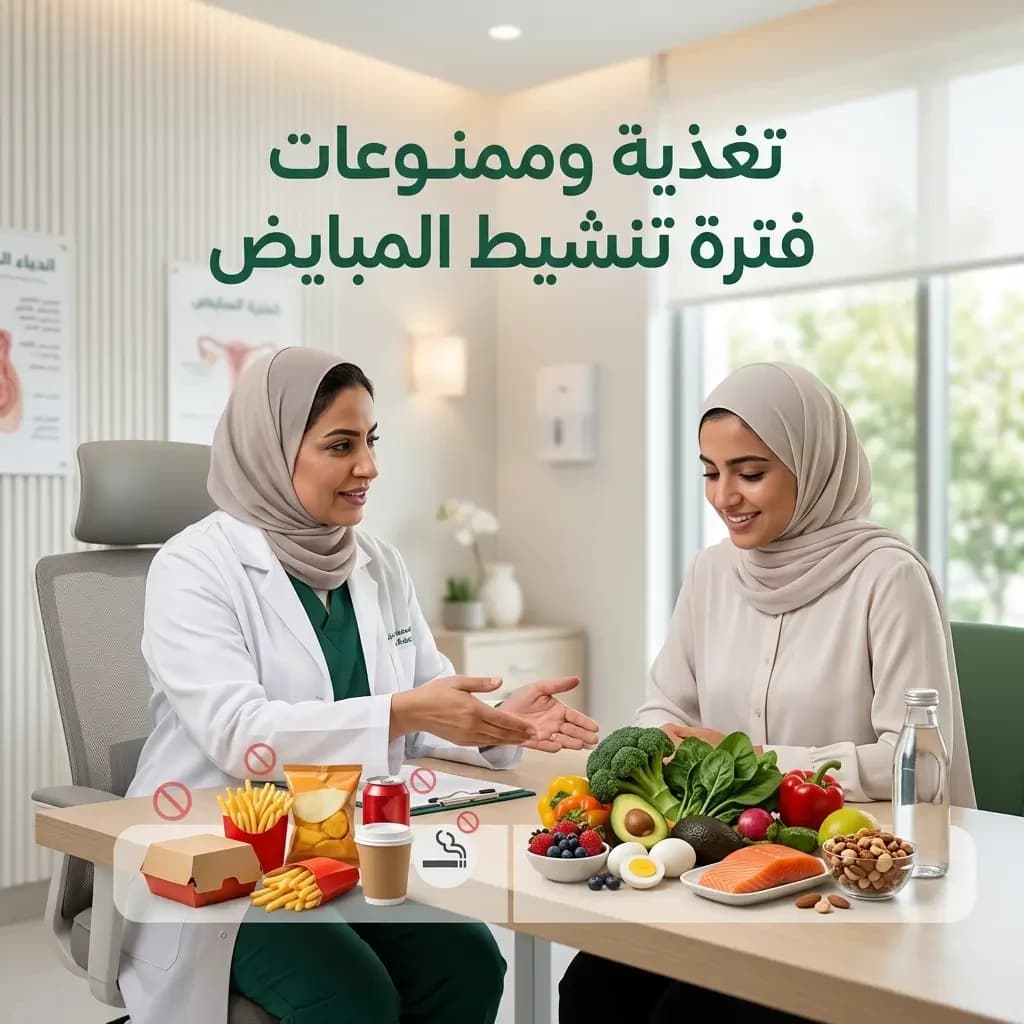
The ovarian stimulation period is an important stage for many women undergoing fertility treatments or preparing for procedures such as IVF or ICSI. During this phase, success does not depend solely on medications and hormonal stimulation. Nutrition and lifestyle choices also play an important role in supporting ovarian response and promoting better egg quality.
Many women search for the best foods to consume during this period and the foods or habits they should avoid to create the most favorable environment for healthy egg development. While diet alone cannot treat fertility problems, it may help support reproductive health and improve overall well-being.
In this article, we will discuss Nutrition During Ovarian Stimulation, foods that may support egg quality, restrictions during ovarian stimulation, and important tips to help you make the most of this stage.
What Is the Ovarian Stimulation Period?
Ovarian stimulation is a medical process designed to encourage the ovaries to produce a greater number of eggs or improve ovulation through hormonal medications prescribed by a fertility specialist.
Ovarian stimulation is commonly used for:
Ovulation disorders.
Polycystic ovary syndrome (PCOS).
Unexplained infertility.
Preparation for ICSI.
Preparation for IVF treatment.
During this period, the body requires proper nutritional support to meet its increased needs.
Nutrition During Ovarian Stimulation
Nutrition During Ovarian Stimulation is one of the most important concerns for women seeking to improve egg quality and support hormonal balance.
Experts generally recommend focusing on nutrient-dense foods such as:
Healthy Proteins
Protein is essential for supporting many body functions during ovarian stimulation.
Good sources include:
Fish.
Skinless chicken.
Eggs.
Legumes.
Greek yogurt.
Leafy Green Vegetables
Leafy greens provide important nutrients such as folate and iron.
Examples include:
Spinach.
Arugula.
Lettuce.
Kale.
Fresh Fruits
Fruits contain antioxidants that help protect cells from oxidative stress.
Recommended choices include:
Berries.
Oranges.
Kiwi.
Pomegranate.
Healthy Fats
Healthy fats play a role in hormone production and reproductive health.
Good sources include:
Avocados.
Olive oil.
Nuts.
Seeds.
Foods That May Support Egg Quality and Ovarian Health
Many women search for foods that can increase ovarian reserve. However, it is important to understand that ovarian reserve is largely influenced by age and genetics, and no food can directly increase the number of eggs.
That said, some foods may help support egg quality and overall ovarian function.
Pomegranate
Rich in antioxidants that may support circulation and tissue health.
Fatty Fish
Such as salmon and sardines, which provide omega-3 fatty acids that support reproductive health.
Eggs
A valuable source of protein, choline, and nutrients involved in cellular health.
Nuts
Including walnuts and almonds, which contain antioxidants and healthy fats.
Whole Grains
Examples include oats, quinoa, and whole-grain bread.
Legumes
They provide plant-based protein, fiber, and essential nutrients.
The Importance of Hydration During Ovarian Stimulation
Drinking enough water is an important part of the ovarian stimulation process.
Proper hydration may help:
Support healthy circulation.
Improve overall body function.
Reduce fatigue.
Ease some side effects associated with fertility medications.
Women are encouraged to drink adequate amounts of water according to their physician's recommendations and individual needs.
Restrictions During Ovarian Stimulation
Understanding what to avoid during ovarian stimulation is just as important as knowing what to eat.
Smoking
Smoking is strongly associated with reduced egg quality and may negatively affect fertility outcomes.
Alcohol
Alcohol consumption is generally discouraged during fertility treatment and when preparing for pregnancy.
Excessive Caffeine
Complete avoidance may not always be necessary, but moderation is recommended.
Processed Foods
Examples include:
Fast food.
Foods high in trans fats.
Products containing excessive added sugars.
Taking Medications Without Medical Advice
Certain medications and supplements may interfere with fertility treatment plans. Always consult your doctor before taking anything new.
Is Exercise Safe During Ovarian Stimulation?
This is one of the most common questions women ask during fertility treatment.
In general, light to moderate physical activity may be permitted after discussing it with your physician.
Appropriate activities may include:
Walking.
Gentle stretching.
Light yoga.
High-intensity exercise and activities involving significant physical strain may not be suitable for some women, particularly when the ovaries become enlarged during stimulation.
Nutritional Supplements Your Doctor May Recommend
In some cases, fertility specialists may recommend supplements to support reproductive health.
These may include:
Folic acid.
Vitamin D.
Omega-3 fatty acids.
Iron when needed.
Certain antioxidant supplements.
Supplements should only be taken under medical supervision.
Signs That the Ovaries Are Responding to Stimulation
Ovarian response varies from one woman to another, and physicians rely on medical monitoring to assess progress.
Common monitoring methods include:
Ultrasound scans to track follicle development.
Hormone level testing.
Monitoring the number and size of developing follicles.
Symptoms alone are not considered a reliable indicator of successful stimulation.
Common Mistakes During Ovarian Stimulation
Certain habits may negatively affect treatment outcomes.
Examples include:
Missing medication doses.
Stopping treatment without consulting a doctor.
Following restrictive crash diets.
Inadequate sleep.
Chronic stress and anxiety.
Excessive consumption of caffeinated beverages.
Following the prescribed treatment plan is essential for achieving the best possible results.
Tips to Support Egg Health
Several healthy habits may support reproductive wellness during fertility treatment:
Get enough sleep each night.
Eat balanced meals.
Maintain a healthy body weight.
Engage in moderate physical activity.
Manage stress effectively.
Follow your doctor's instructions carefully.
Attend all scheduled appointments and evaluations.
When Should You Contact Your Doctor?
During ovarian stimulation, medical advice should be sought if unusual symptoms develop, including:
Severe abdominal pain.
Excessive bloating.
Shortness of breath.
Rapid weight gain.
Severe nausea or vomiting.
These symptoms may indicate complications that require prompt medical evaluation.
in the end Nutrition During Ovarian Stimulation plays an important role in supporting overall health and creating favorable conditions for ovarian response during fertility treatment. Focusing on nutrient-rich foods that support egg quality and avoiding restrictions during ovarian stimulation may help improve the chances of successful treatment outcomes.
While nutrition and healthy lifestyle choices are important, adherence to the treatment plan and regular follow-up with a fertility specialist remain the most critical factors. Women are encouraged to follow evidence-based medical advice and avoid relying solely on personal experiences or unverified recommendations.
Frequently Asked Questions
What is the best nutrition plan during ovarian stimulation?
A balanced diet rich in protein, vegetables, fruits, healthy fats, and adequate hydration is generally recommended.
Are there foods that increase ovarian reserve?
No foods can directly increase ovarian reserve, but some may help support egg quality and ovarian health.
What are the main restrictions during ovarian stimulation?
Smoking, alcohol, excessive caffeine intake, processed foods, and taking medications without medical approval.
Is coffee prohibited during ovarian stimulation?
Not necessarily, but limiting caffeine intake is usually advised.
Does exercise affect ovarian stimulation?
Light to moderate exercise may be appropriate, while intense physical activity may not be recommended in some cases.
Is drinking water important during ovarian stimulation?
Yes. Proper hydration supports overall body function and may help reduce some treatment-related side effects.
When do ovarian stimulation results appear?
Response is evaluated through ultrasound examinations and hormone testing according to the monitoring schedule established by your doctor.